
How Wessex Charities Can Apply for Community Grants: A Step-by-Step Guide
A practical guide for small voluntary groups across Wessex on finding grant funding, writing applications...

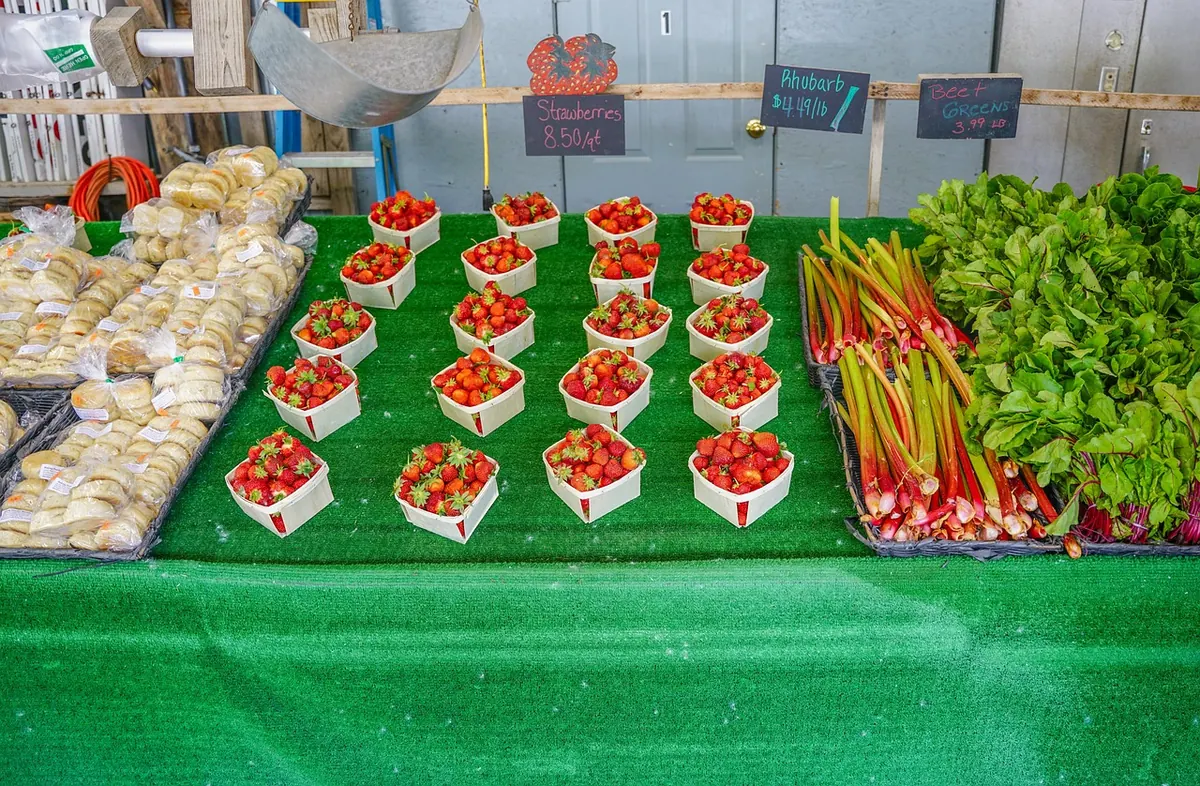
A farmers' market is not a supermarket with worse parking. The stalls change with the month, the person handing you a bag of apples probably picked them, and the best thing on offer in February looks nothing like the best thing in July. That rhythm is the whole point, and it rewards a little planning. Whether you are shopping in Salisbury's broad market square, through the streets of Taunton, or under the shadow of Winchester Cathedral, the same habits serve you well: buy what the season is actually giving, talk to the people selling it, and let the cooking follow the shopping rather than the other way round.
In Wessex, as across most of Britain, the growing year arrives in overlapping waves rather than neat monthly blocks. Late winter and early spring are the lean stretch that growers call the hungry gap: stored roots, hardy greens and whatever survived the frost, with not much else. Then the year opens up quickly through May and June, peaks in a glut of soft fruit and beans through late summer, and slides into apples, squash and game by October.
This matters practically. If you arrive in April looking for tomatoes, you will find them — flown in, grown under glass, or imported — but you will pay for them and they will not be worth it. Come back in August and you will be tripping over the things. The market is at its most rewarding when you shop for what is abundant rather than what you had in mind.
Treat this as a rough guide rather than a timetable. Weather shifts everything by a few weeks, and a stallholder will always know better than a calendar.
A useful test of a stall is what is missing from it. A table groaning with tomatoes in February, or with asparagus in September, is telling you something. Ask where things come from; the good sellers will answer without hesitation and often with a field name.
Farmers' markets run on trust and small margins. A few habits keep you welcome on both sides of the trestle table.
On cheeses, cured meats and raw milk, ask whether a product is unpasteurised. If you are pregnant, elderly or immunocompromised, take advice from a GP or midwife before eating unpasteurised dairy.
The city's market tradition is old and the square is one of the roomiest in the region, which makes it a comfortable place to start. Aim for May and June, when asparagus, salad leaves and early soft fruit fill the stalls, or September and October, when game, mushrooms, apples and the county's bacon and cheese take over. Winter visits are quieter but still worthwhile for roots, preserves and cheeses.
Somerset's strength is cider, orchard fruit and dairy, and late summer through autumn is when the town shows it off. Go in August to October for apples, cider, blackberries and squash, or in spring for lamb and the first greens. Taunton is also a good market for buying in bulk — trays of fruit, sacks of potatoes, a box of apples for juicing at home.
Winchester's market has a strong food-and-drink leaning, and Hampshire chalk country shows up plainly in the watercress, trout, berries and beers on offer. May and June suit anyone hunting watercress, asparagus and early strawberries, while the late-November and December markets are the ones to plan a gift shop around.
Days and times vary between towns and change from year to year, so confirm the details with the market's own listing or the local council before you set out.
Check the date and opening hours. Arrive early for the best choice, or in the final half hour if you are happy with what is left. Park once and walk the whole market before buying anything, so you do not spend your budget on the first stall you like. Bring cash, a couple of bags, and a cool bag in summer if you are travelling any distance. Then break your own rule: ask one seller what they would buy today, and take it home. That single habit will teach you more about eating with the season in Wessex than any list.
Photo: Michelle-Maria / Pixabay
A practical guide for small voluntary groups across Wessex on finding grant funding, writing applications...
Tide times, parking quirks and seasonal dog bans decide whether a Dorset or Hampshire beach day runs...
Wessex's devolution deal gives a new combined authority powers over buses, skills and planning. Here's...