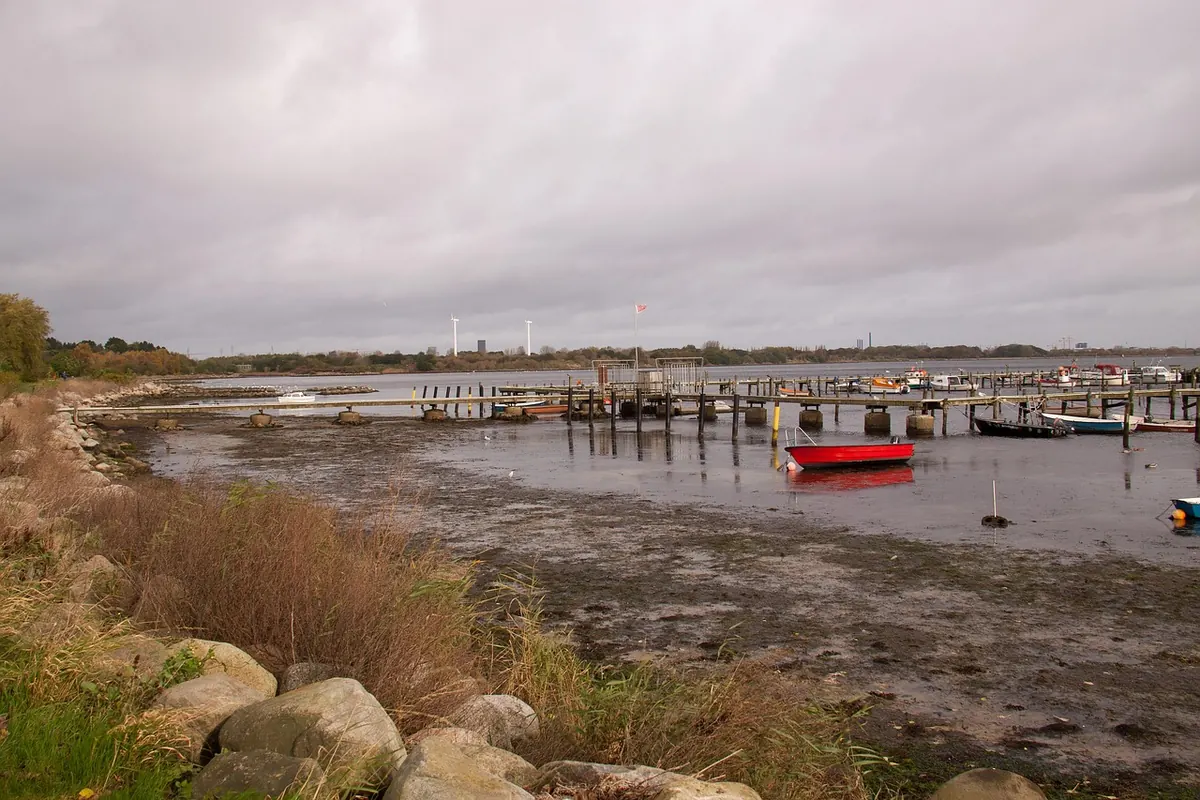
A Local's Checklist for Visiting Wessex Beaches: Tides, Parking, and Dog Rules
Tide times, parking quirks and seasonal dog bans decide whether a Dorset or Hampshire beach day runs...


A village hall in Somerset needs a new boiler before winter. A lunch club in Weymouth has lost its cook and cannot reopen without one. A youth group outside Salisbury wants to run a summer programme but has £400 in the bank. Most of the groups doing this work across Wessex are small, volunteer-run and funded a few thousand pounds at a time.
The money exists. What usually stands between a good local project and a cheque is paperwork, timing, and knowing which door to knock on. Here is how to work through it without losing a fortnight of your life.
Forget the idea of a single pot. Wessex has several layers of funders, and most small groups end up with a mix rather than one big award.
To find them, spend an hour a month rather than a week a year. Sign up to your county's council for voluntary service or community action newsletter, check the funding pages of your district council, and ask other groups in your area who paid for their minibus or their new kitchen. Word of mouth in Wessex is still the best search engine.
Applications fail for boring reasons far more often than for bad ideas. Put together one folder, online, that you can share with whoever is filling in the form. It should contain:
Two or three unrelated people must control the bank account, and decisions should be minuted. Most groups with income above £5,000 a year also need to be registered with the Charity Commission; smaller ones can stay unregistered but still need proper rules. If you are unsure about your legal structure, safeguarding duties or the tax position, ask your county voluntary sector body or a solicitor. Paying for an hour of advice now is a great deal cheaper than unpicking a problem later.
Never write one application and send it to thirty organisations. Funders can tell, and trustees talk to each other. Instead, build a shortlist of six to ten and test each against these questions:
Then ring them. A five-minute conversation with a grants officer will tell you more than an afternoon on their website, and they will remember your group when the applications land.
Underneath every form, however it is worded, sit five questions: what is the need, what will you do, who benefits, what will it cost, and how will you know it worked? Answer those in plain English and you are most of the way there.
Be specific. Numbers, names of places, and things you have counted yourself carry far more weight than adjectives. Compare these two sentences:
Twenty-two people came to the memory café last month, and six of them had not left the house the week before.
Only one of them tells a funder why the money matters.
Answer the question that was asked, in the order it was asked, and keep to the word limit. Write in the first person plural — "we run", not "the organisation delivers services to service users". Get someone who knows nothing about your group to read the draft and tell you what is unclear. And resist the urge to explain how small and struggling you are; funders want to back a plan, not a plea.
Show the whole cost of the project, not just the slice you are asking for. List other income separately as confirmed or applied for, and include a small contingency. Volunteer time can be counted as an in-kind contribution: value it at a realistic local rate and say how you arrived at the figure.
Watch the common failures. Missing a deadline by an hour. Applying to a funder whose area stops at the county boundary. Asking for something listed as ineligible. Claiming an outcome you have no way of measuring. A budget that does not add up. A group with no safeguarding policy applying to work with children. Any one of these can end an otherwise strong bid.
Winning the grant is the start of the relationship, not the end of it. Read the offer letter properly, note the reporting dates in a diary, and keep receipts and attendance records from day one in a separate folder for that project. If your plans change, ask before you spend the money differently — most funders will say yes, and almost none will forgive a surprise.
When you report, send the numbers, a couple of photographs with consent, and something a real person said. Invite the funder or your local councillor to visit. If part of the project did not work, say so and say what you learned; honest reporting builds the kind of trust that leads to a second grant and a trustee recommending you to someone else.
Do not try to fix everything at once. Spend one afternoon assembling your grant-ready folder. Spend the next ringing your county voluntary sector body and asking which local funders are open. Shortlist three, diarise their deadlines, and write one application properly rather than five badly.
Then tell people what you are doing. The groups in Wessex that win funding consistently are rarely the ones with the best writers. They are the ones that know their own numbers, apply early, and keep in touch with the people who gave them the money.
Photo: cottonbro studio / Pexels
Tide times, parking quirks and seasonal dog bans decide whether a Dorset or Hampshire beach day runs...
Wessex's devolution deal gives a new combined authority powers over buses, skills and planning. Here's...
Dates, transport, local makers and crowd-avoidance advice for Christmas markets and late-night shopping...