
How Wessex Charities Can Apply for Community Grants: A Step-by-Step Guide
A practical guide for small voluntary groups across Wessex on finding grant funding, writing applications...

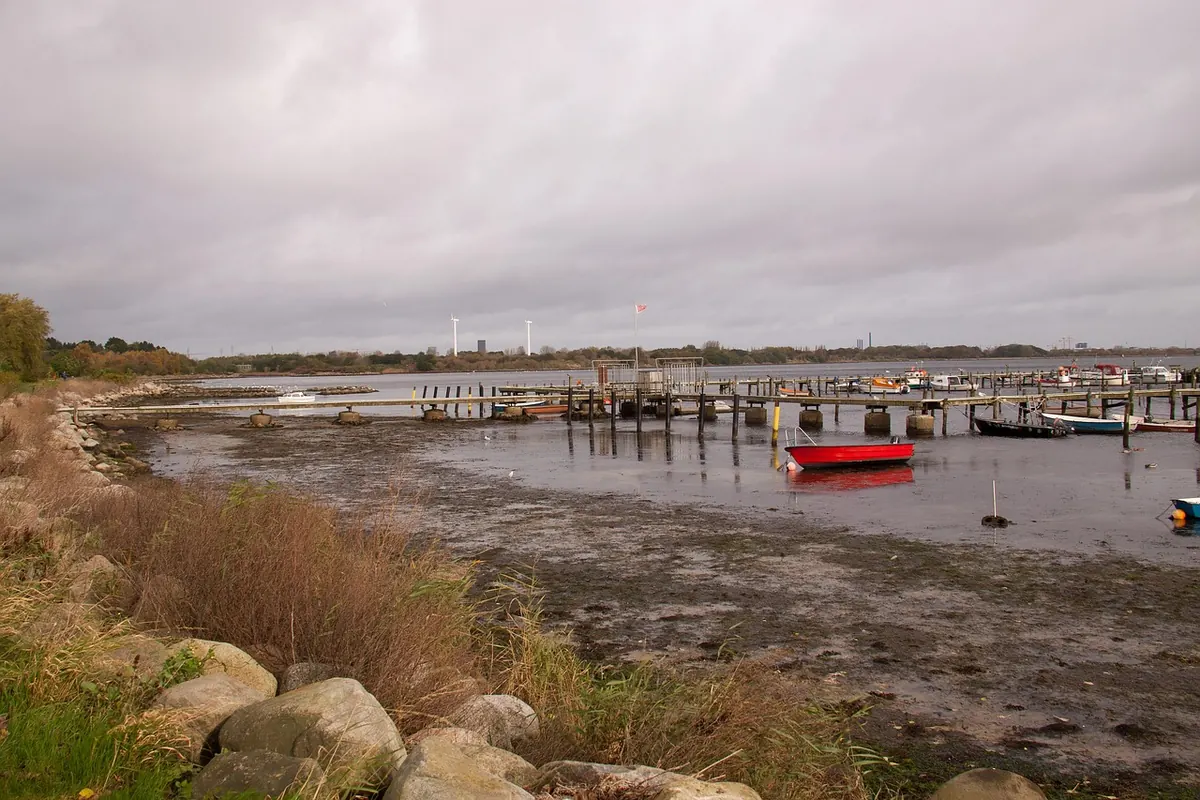
A beach day in Wessex can be wonderful or wearisome, and the difference usually comes down to three things: the tide, a parking space, and whether the dog was allowed on that particular stretch of sand. The Dorset and Hampshire coasts run from the shelving shingle of Chesil Beach to the sheltered bays of Poole Harbour and the Solent, and each has its own rules and rhythms. Five minutes of checking before you leave the house is worth an hour of arguing in a car park.
Tides along this coast are not a minor detail. The range can be several metres, and the water moves faster than most visitors expect. A beach that looks vast at low water can shrink to a strip of shingle in a couple of hours, and the sea can arrive behind you around a headland while you are looking the other way.
Use a tide table for the beach you are actually visiting. Times shift from place to place along the coast, so a table for Bournemouth is not a table for Swanage.
Most seafront car parks in Dorset and Hampshire are pay-and-display or app-based, and a growing number are cashless. Charges shift with the season, and the busiest sites fill by mid-morning in July and August. Assume you will pay more and walk further than you would like.
A few habits make it easier:
If you are heading to one of the larger resorts, the train is genuinely worth considering. Services run to Bournemouth, Poole and Weymouth, and a station-to-beach walk beats circling a seafront for forty minutes.
Many of the busiest resort beaches run a seasonal dog ban, most commonly from 1 May to 30 September. Outside that window, dogs are generally welcome all year.
The catch is that boundaries are rarely obvious. A beach can be split, with the main bathing area closed to dogs and a stretch at one end open throughout the year. Signs at the access points are the reliable guide; council websites publish maps, but they are not always updated quickly. Where a ban exists, it is usually enforced, and the penalty is set by the council.
RNLI lifeguards patrol many beaches from roughly May to September, usually between ten in the morning and six in the evening. Where the red and yellow flags are flying, swim between them. Where there are no flags, there is no patrol, and that changes what is sensible.
Rip currents are the main hazard on open beaches. If you are caught in one, do not swim against it. Swim parallel to the shore until you are out of the flow, then head in. If that is not working, float on your back, keep your airway clear and raise one arm.
A few other local habits are worth copying:
If you have a heart condition, are pregnant, or are new to cold-water swimming, speak to a GP or midwife before making it a regular habit. And never mix a long swim with alcohol.
Rules change season to season and beach to beach, so check the relevant council page for parking charges and dog zones on the day you travel rather than relying on last summer's memory. If you are planning a swim, a paddleboard or a boat trip and you are unsure about conditions, ask the lifeguards or the harbour office. They would far rather answer a question than launch a rescue.
Photo: Bjonsson / Pixabay
A practical guide for small voluntary groups across Wessex on finding grant funding, writing applications...
Wessex's devolution deal gives a new combined authority powers over buses, skills and planning. Here's...
Dates, transport, local makers and crowd-avoidance advice for Christmas markets and late-night shopping...